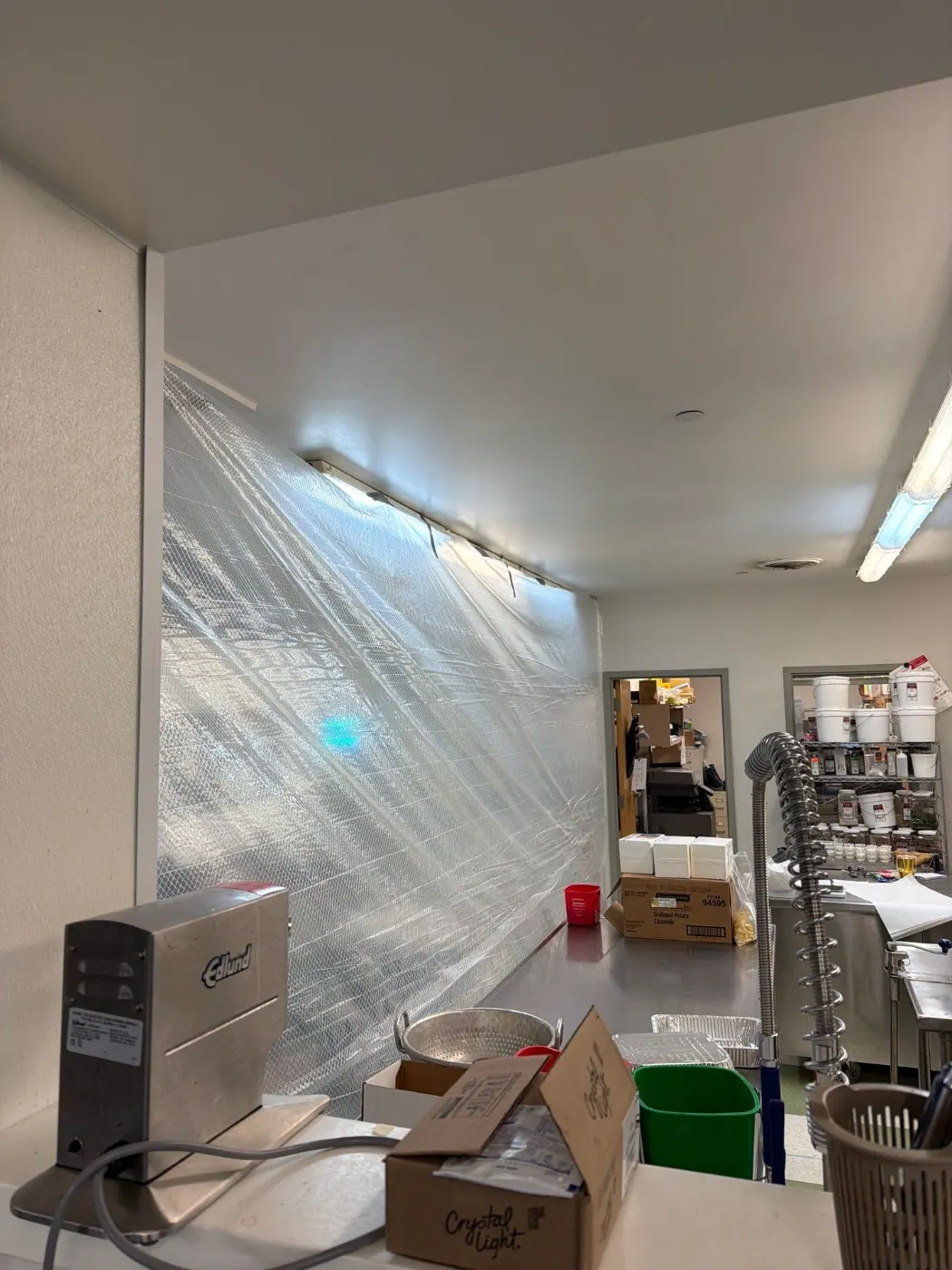
Sewage Cleanup in Chesterfield, IN
Sewage cleanup in Chesterfield done to IICRC S500, with daily moisture logs and clearance readings that stay with you
Need Sewage Cleanup in Chesterfield? Chesterfield Water Restoration answers 24/7 with certified crews, fast on-site response, and documentation built for your insurance claim. Call (765) 508-0821 now.
- Service: Sewage Cleanup for Chesterfield homeowners
- Service area: Chesterfield, IN and surrounding areas
- Response time: Emergency water calls in Chesterfield get crews rolling, not callbacks
- Licensed and insured (License #RC21100059)
- Serving Chesterfield, IN since 2018
Sewage Backup Cleanup in Chesterfield
When sewage backs up into a home in Chesterfield, we'll contain the area first and then remove the contaminated material.
When Backups Happen
Heavy rain can overload the sewer lines here and push sewage back into basements.
We work in every corner of Chesterfield, including North Chesterfield and the blocks around George Makepeace House and the Millcreek Civic Center. We also clean up sewage backups in Lapel, Edgewood, Daleville and Anderson.
Expert Sewage Cleanup for Chesterfield Homeowners
Tree roots grow into clay and cast iron sewer lines at the joints. The backups they cause tend to come back until a plumber fixes the line itself. For the water already inside your Chesterfield home, Chesterfield Water Restoration dispatches a crew within 2 hours. The crew removes the soaked material under containment and photographs the source, so your file shows what happened and where it came in.
Chesterfield Water Restoration writes your sewage cleanup scope line by line, with the removal height, the square footage, the antimicrobial and the disposal list each shown on its own. You can compare it apples to apples with another estimate for your Chesterfield home. If another bid removes more material, ask to see the readings that support it.
Furnaces, water heaters, washers and dryers often sit in the same basement room the backup reached. The crew moves what can be moved and cleans and disinfects the floor under each unit, with photos of the area before and after. Anything with electrical parts that got wet should be checked by an appliance technician or an electrician before you run it again in your Chesterfield home.
Your own photos help as much as anyone's. Before the Chesterfield Water Restoration crew touches anything in your Chesterfield home, take wide shots of each affected room and close ups of the source and the water line on the walls. Put a tape measure in the frame to show how high the water reached, and photograph belongings that are sitting in it.
Call Chesterfield Water Restoration for the inspection and you'll know what you're dealing with before committing to anything. The visit covers the source, the affected square footage and a written scope, and the crew can set containment and start extraction on that same visit anywhere in Chesterfield and Madison County.
Signs You Need Sewage Cleanup
If you notice any of these in your Chesterfield home, schedule a free inspection before the issue worsens.
Dark gritty water standing around the floor drain with paper debris floating in it
Neighbors on the same street reporting sewer backups on the same day as yours
An extension cord or power strip sitting in standing water near the basement drain
Floor drain cover pushed up or floating on dirty water rising from below
Kitchen sink filling with dark water when the dishwasher drains
Several drains in the house running slow at the same time with no obvious clog
Septic tank alarm sounding while the toilets gurgle and the tub fills from below
Dark wet stains spreading across the basement ceiling underneath an upstairs bathroom
Sewage smell coming out of the laundry tub or utility sink in the basement
Sewage smell strongest along one wall where the drain line runs behind the drywall
How Chesterfield Water Restoration Handles Sewage Cleanup
We follow these steps in order on every Chesterfield job.
Emergency Dispatch
Chesterfield Water Restoration dispatches a crew to Chesterfield within 2 hours of the call. The truck arrives loaded with solids handling pumps, waste rated extraction units, HEPA air scrubbers, negative air machines, poly containment materials, respirators and disposable suits, so work starts on arrival.
Contents Sorting
Belongings in the room get sorted before the removal work starts. Anything the water reached is photographed and listed before it goes into bags, and hard goods that can be cleaned are set aside for separate cleaning.
Ceiling and Cavity Opening
Where the water traveled down or into a wall, the crew opens the ceiling or the wall cavity until the readings come back dry. Wet insulation comes out, and the exposed framing is photographed before it gets cleaned.
Clearance Verification
Final moisture readings go on every affected material against an unaffected baseline elsewhere in the house. Cleaned surfaces get inspected, the sealed space gets an odor check with the scrubbers off, and containment comes down once the verification is written up.
Rebuild and Handoff
Insulation, drywall, trim and flooring go back over a structure that's been cleaned, treated and verified dry. Chesterfield Water Restoration hands over the documentation package, including source photographs, the daily moisture log, the disposal inventory and the clearance readings.
Sewage Cleanup in Chesterfield
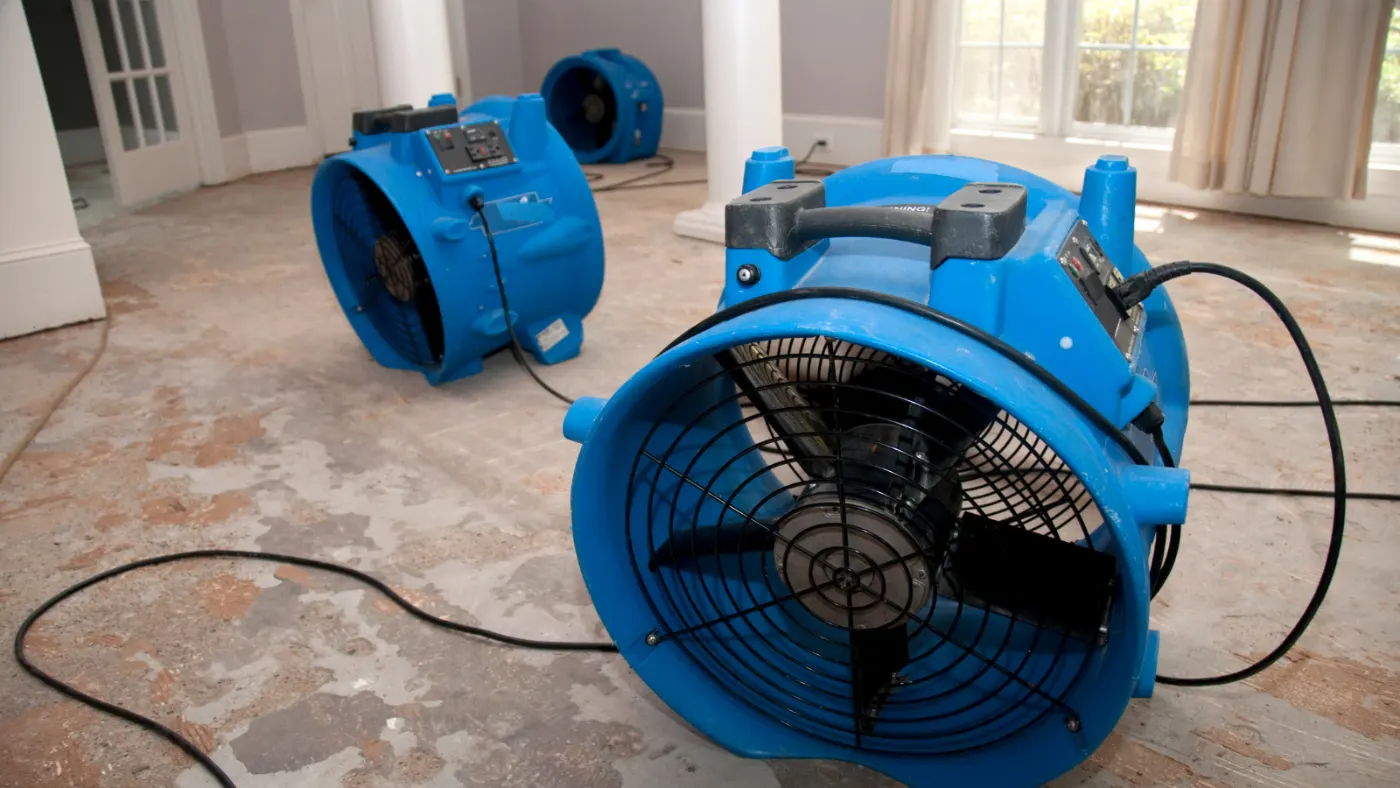
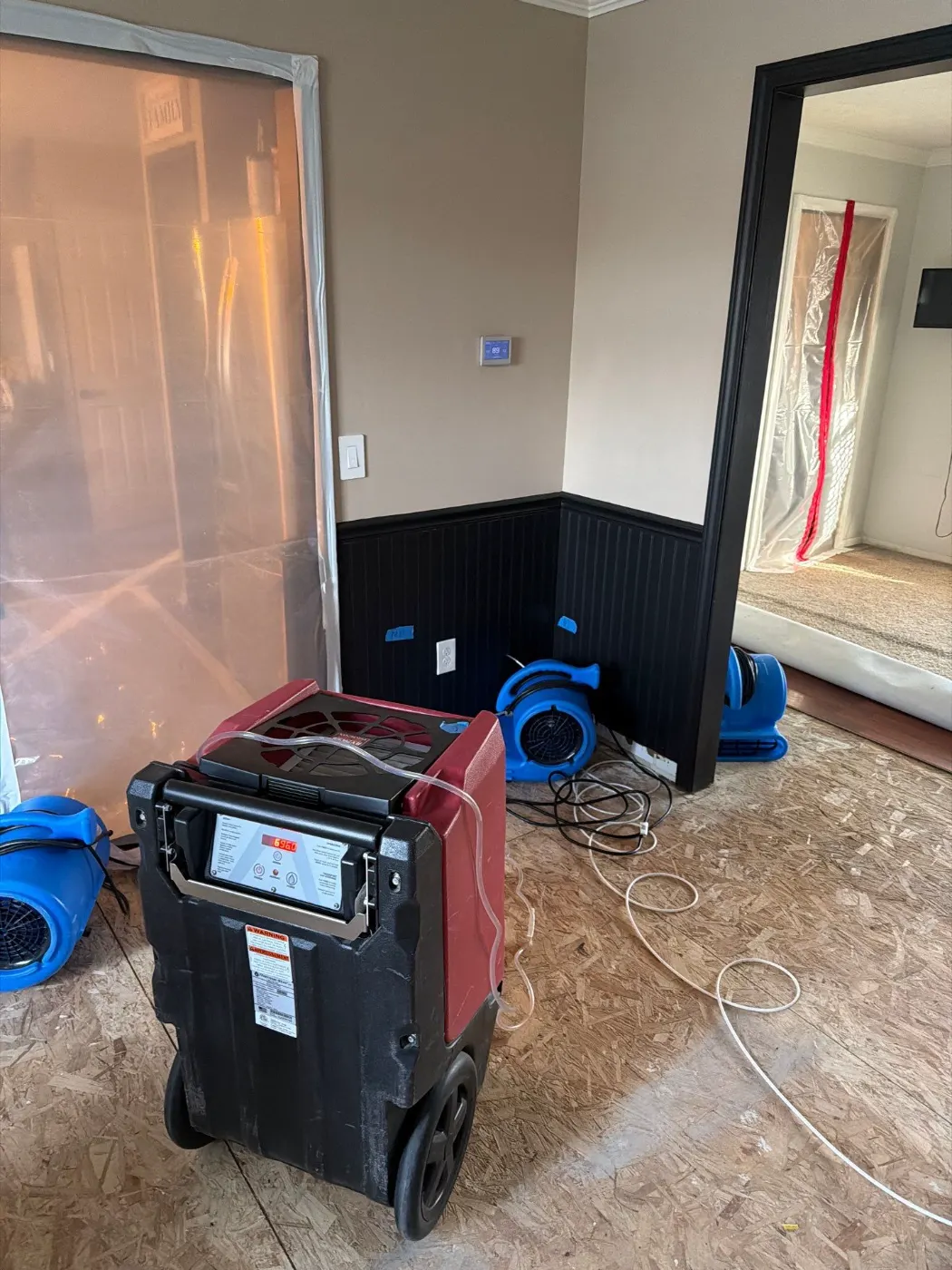
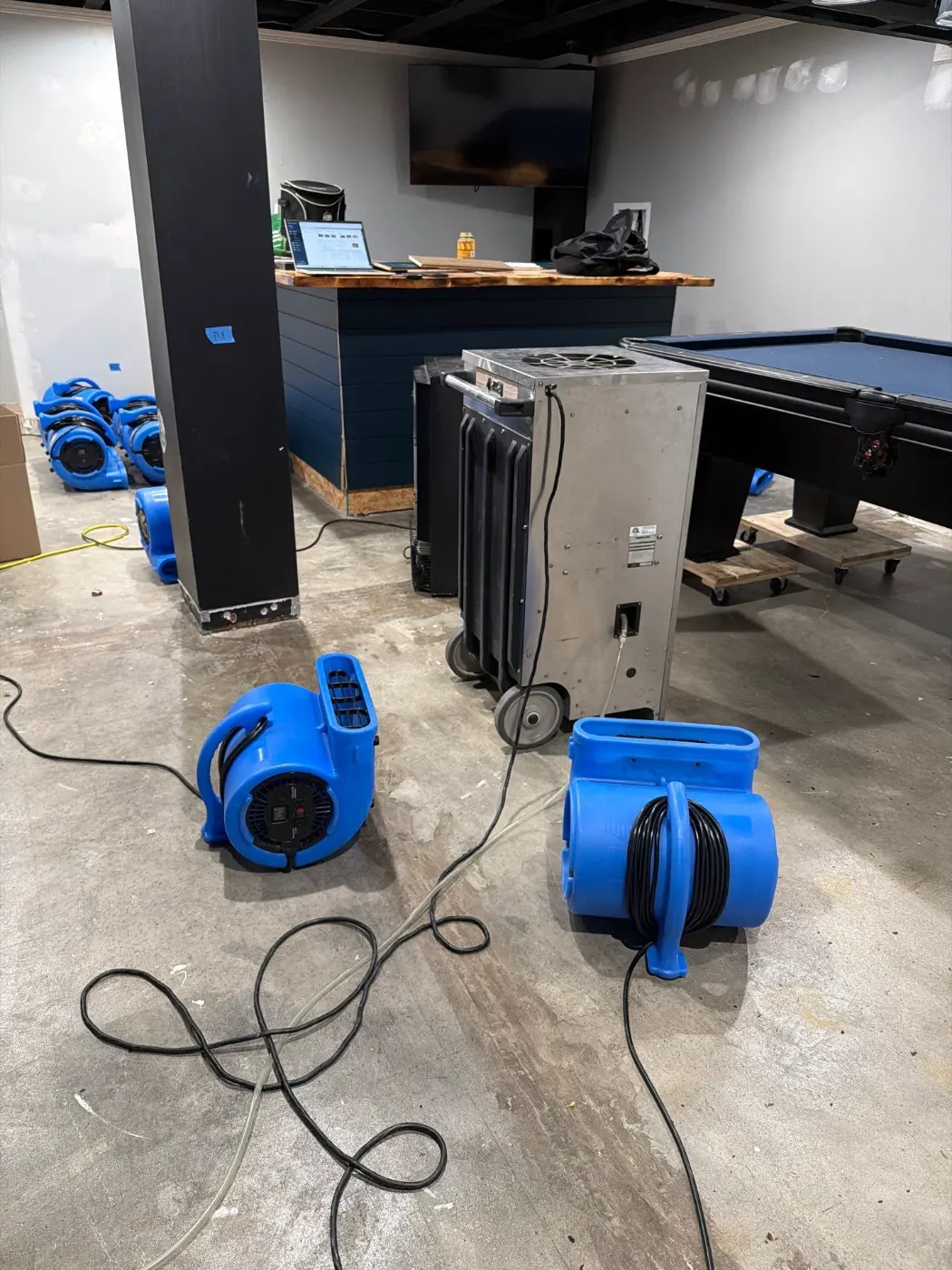
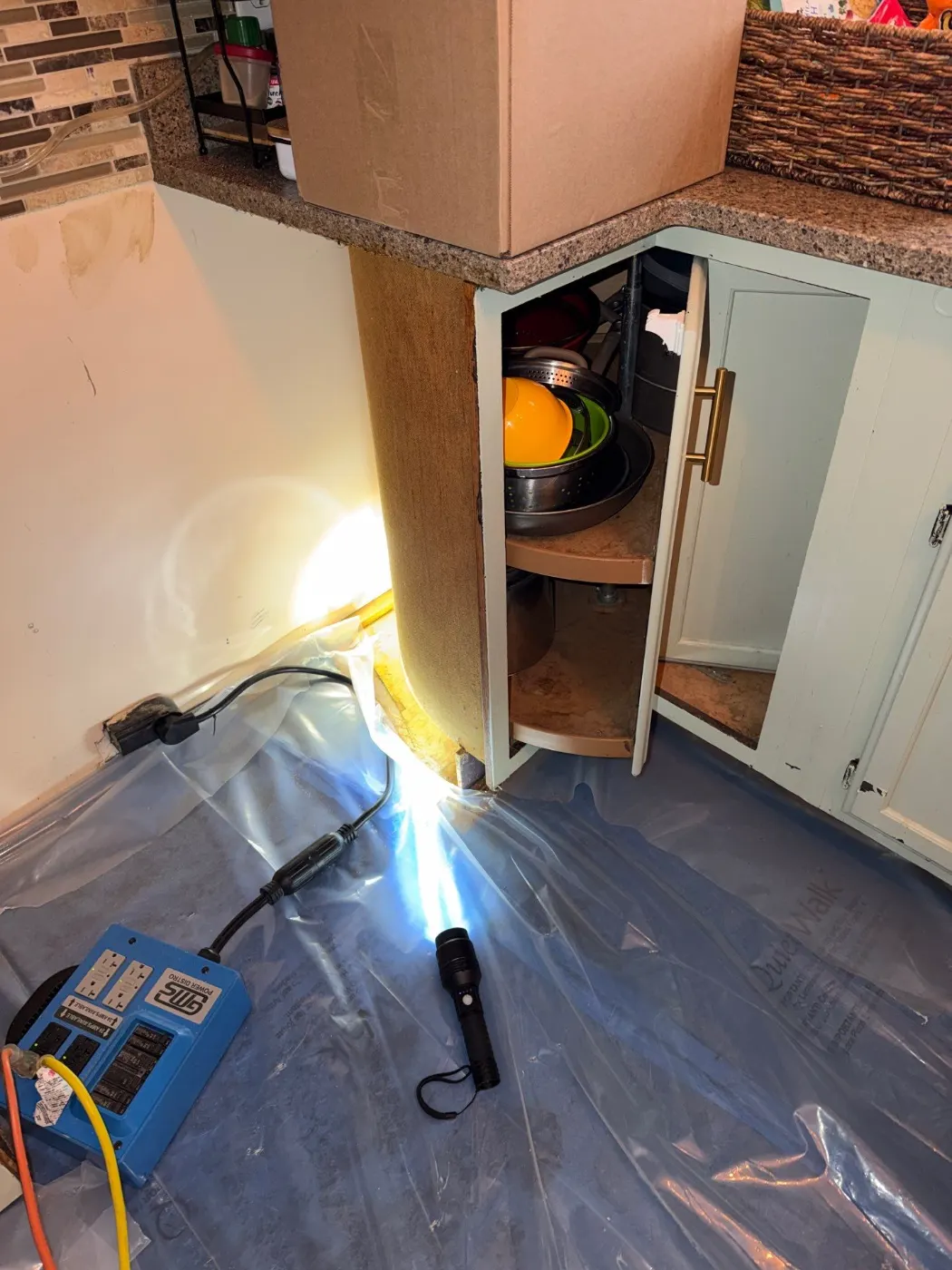
Photographs from real sewage cleanup jobs completed by our crew in Chesterfield and surrounding areas.
Sewage Cleanup FAQ
Questions Chesterfield homeowners ask us about sewage cleanup.
Guidance and Standards for Sewage Cleanup
- The ANSI/IICRC S500 is the published standard for professional water damage restoration. The current edition is the Fifth Edition, 2021. IICRC S500 Standard
- The Indiana Department of Insurance advises against permanent repairs before your insurance company inspects the damage. Check your own policy for what it covers. Indiana Department of Insurance: Insurance Claim Tips
Chesterfield Neighborhoods We Serve
We take sewage cleanup calls in every part of Chesterfield. Pick your neighborhood for local details.
Other Restoration Services in Chesterfield
Chesterfield Water Restoration handles the full scope of restoration work. Explore our other services below.
Water Damage Restoration in Chesterfield
24/7 emergency response. IICRC certified water restoration from extraction to full dry out.
Learn more →Basement Flooding in Chesterfield
Basement water emergencies handled fast. Extraction, drying, mold prevention.
Learn more →Storm Damage in Chesterfield
Storm related water emergencies. Tarping, extraction, drying, and full restoration.
Learn more →Request Sewage Cleanup
Reach Us Directly
Our team is available 24/7 for emergencies and ready to schedule inspections during business hours.
Need Immediate Help?
For active water or mold emergencies, call us directly. We are available 24/7.