Commercial Storm Damage in Chesterfield, IN
When a curtain wall or rooftop unit curb lets storm water in, Chesterfield Water Restoration dries what it leaves behind in Chesterfield.
Need Commercial Storm Damage in Chesterfield? Chesterfield Water Restoration answers 24/7 with certified crews, fast on-site response, and documentation built for your insurance claim. Call (765) 508-0821 now.
- Service: Commercial Storm Damage for Chesterfield homeowners
- Service area: Chesterfield, IN and surrounding areas
- Response time: 24/7 live dispatch; emergency crews prioritized for Chesterfield
- Licensed and insured (License #RC21100059)
- Serving Chesterfield, IN since 2018
Commercial Storm Damage Cleanup in Chesterfield
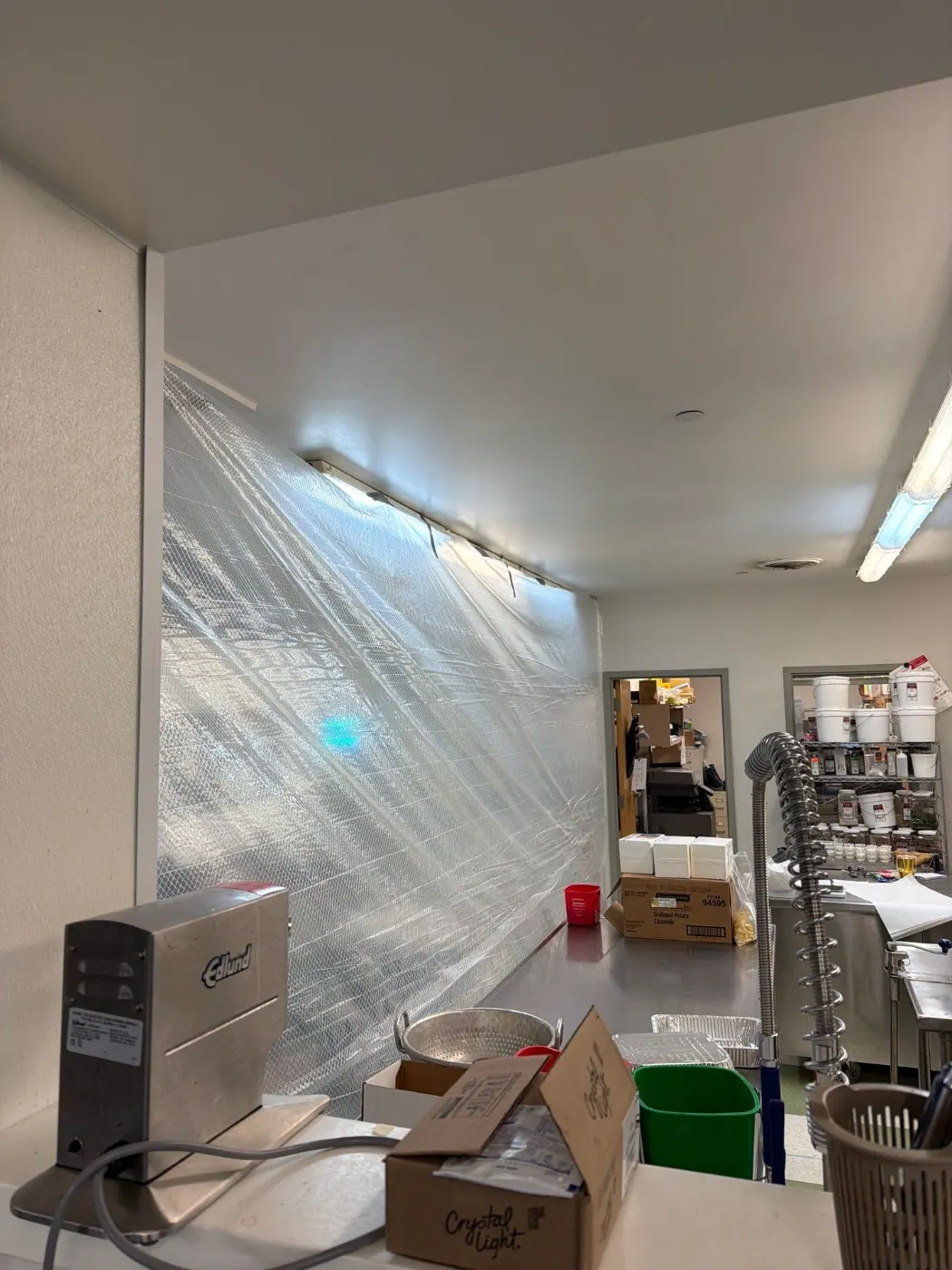
After a storm hits a commercial building in Chesterfield, we'll cover the opening and then dry out the space underneath it.
Storms Here
Damaging wind can hit here, and that puts roofs and rooftop equipment at risk. NWS Indianapolis posts summaries of past storms, which helps when your carrier asks for a date.
We respond to storm calls from businesses anywhere in Chesterfield, including those around State Road 32. We also handle commercial storm damage in Daleville, Anderson, Muncie and Pendleton.
Commercial Storm Damage for Chesterfield Businesses
Water's coming through the roof deck of your Chesterfield building and the storm has already moved on. Ponded water over a failed drain finds the weakest seam and keeps feeding it long after the rain stops. Chesterfield Water Restoration sends a crew to commercial water intrusion calls in Chesterfield, IN within two hours with extraction units, dry in materials, and the moisture readings that tell you how far the water already traveled.
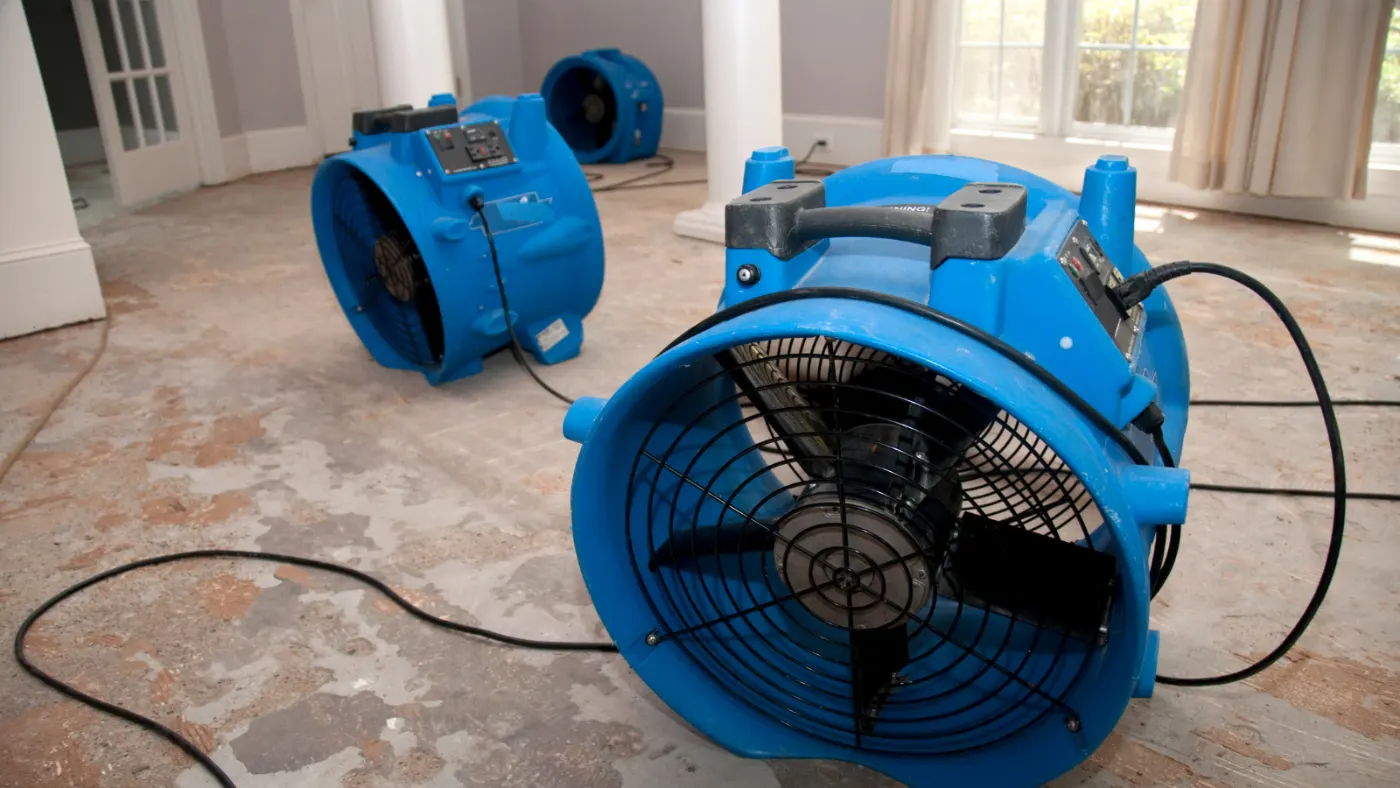
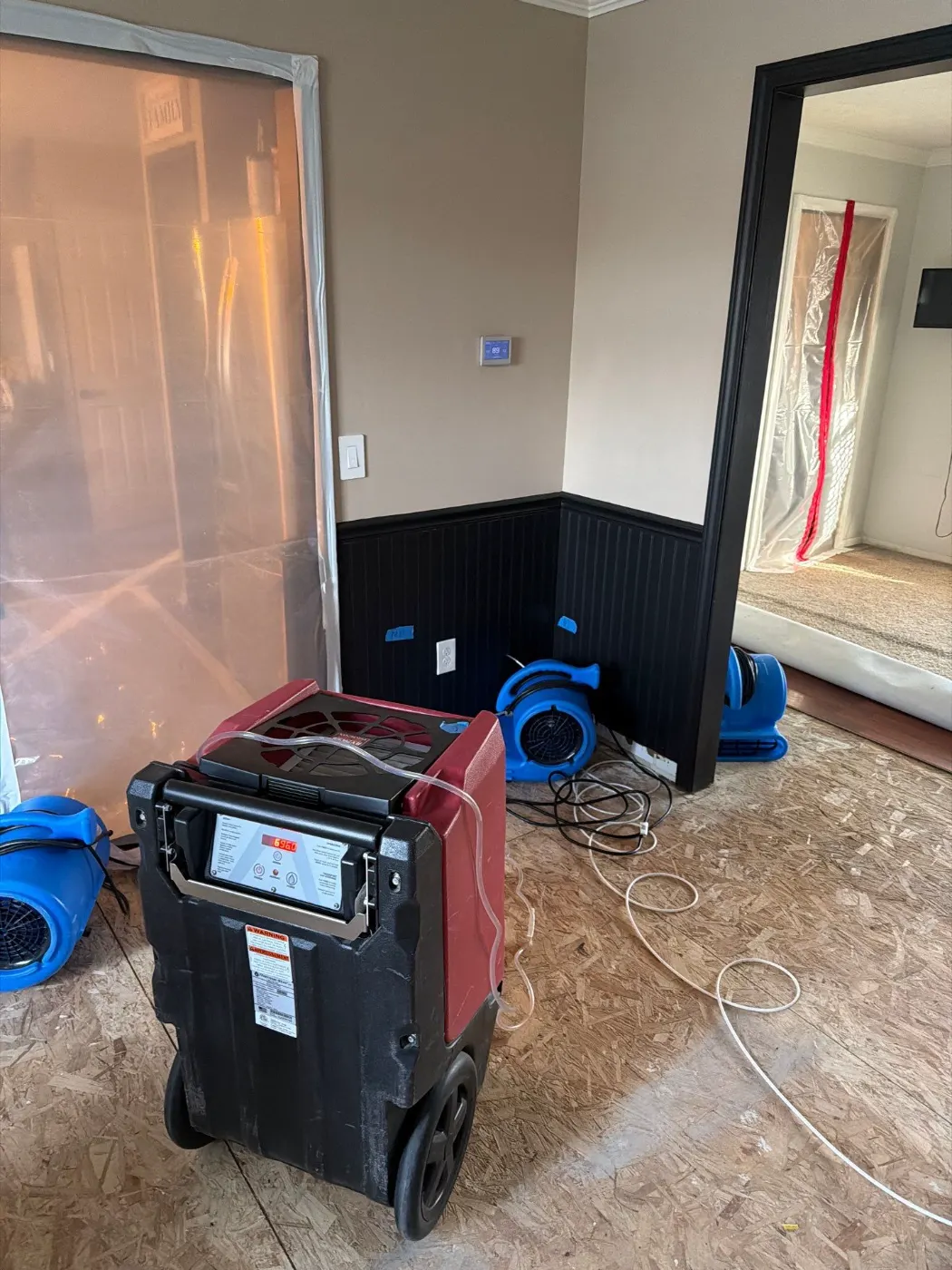
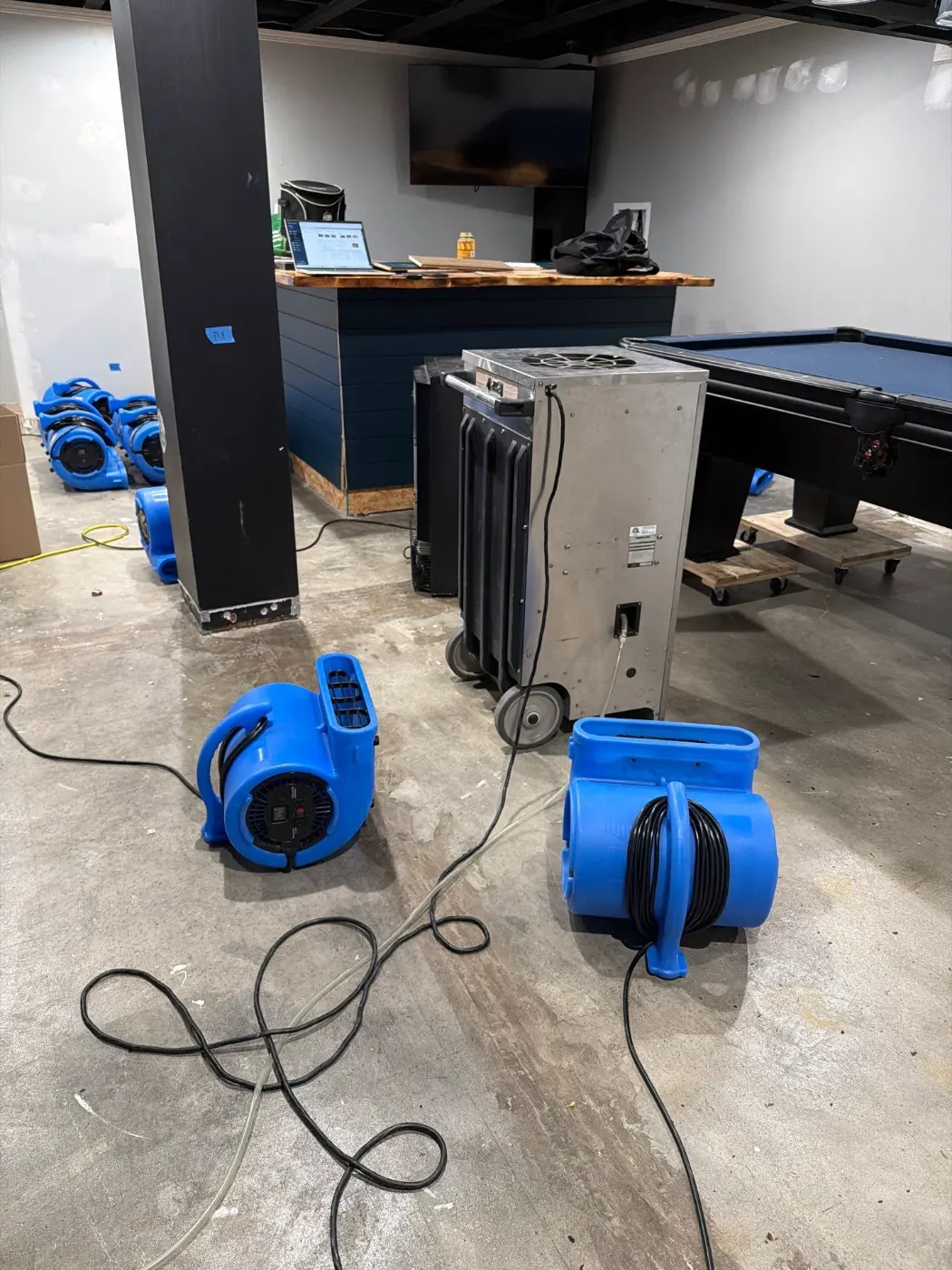
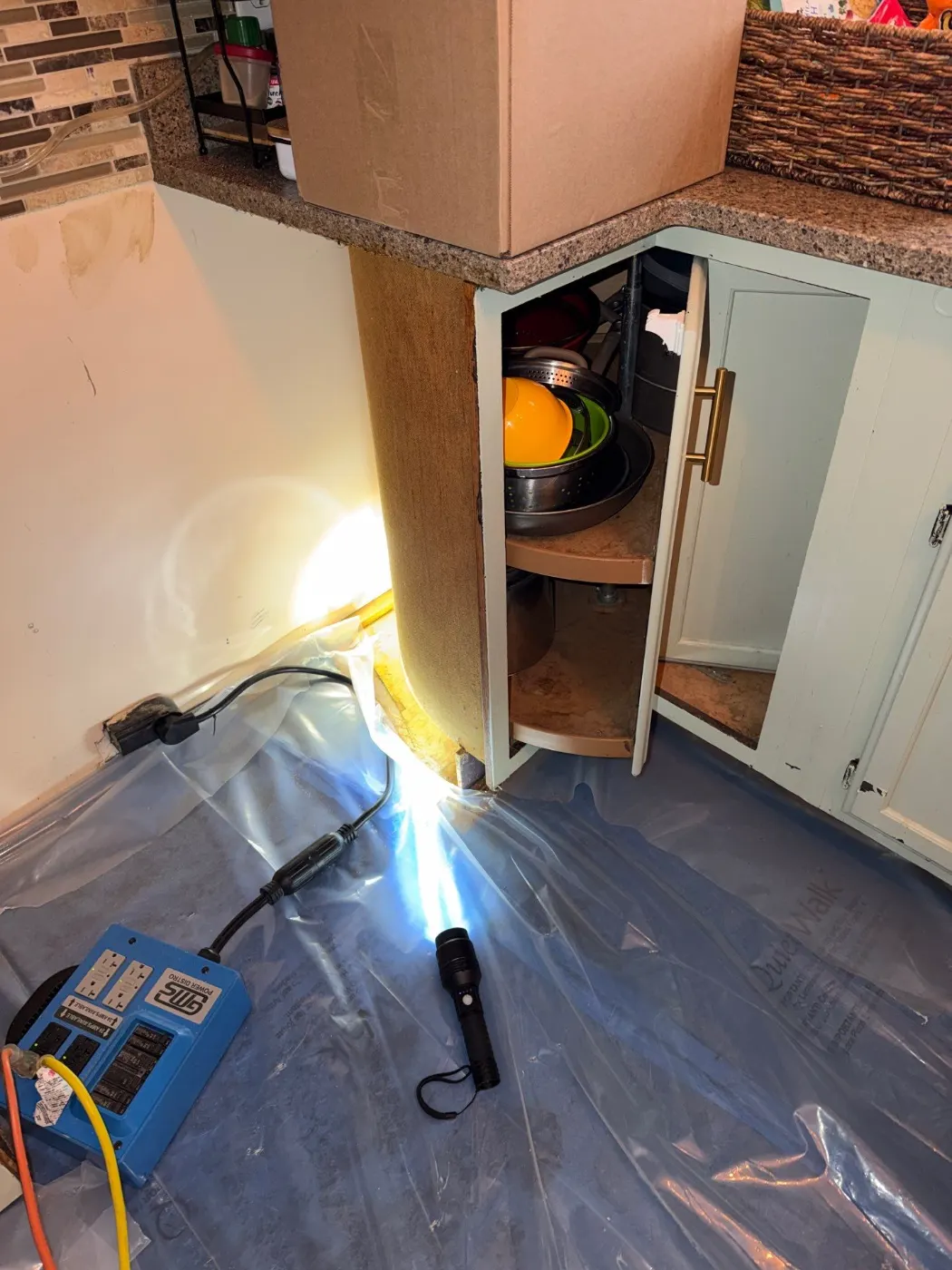
Drying equipment on a commercial floor plate needs power the building may not have to spare. Chesterfield Water Restoration crews calculate the load before anything gets plugged in, pull from panels that can carry it and bring distribution boxes or generator capacity when they can't. Desiccant units handle open floor plates, and refrigerant units handle enclosed suites in your Chesterfield building.
A flooded dock gets worked from the doors inward. Water comes out of the leveler pits and trench drains first, then off the receiving floor. Hard surfaces get washed down before drying equipment is set. Porous materials the flood soaked, such as the carpet in a dock office, come out and get bagged. The whole sequence is photographed for your Chesterfield file.
Tenants file their own claims for contents and business interruption, and those claims need the building side documented to make sense. Chesterfield Water Restoration gives the property manager a per suite record of what was wet, when equipment ran, and when each space was released. The team stays out of the tenants' claims and gives their adjusters the building facts on request, with you copied.
Call Chesterfield Water Restoration and get a crew dispatched to your Chesterfield, IN building within two hours. Extraction, structural drying and the emergency dry in run as one job, which keeps the drying equipment from fighting a live leak. Ask about after hours scheduling for tenant spaces that can't close during the day.
Signs You Need Commercial Storm Damage Restoration
If you notice any of these in your Chesterfield building, schedule a free inspection before the issue worsens.
Daylight visible through a roof penetration curb or around the flashing at a rooftop unit
Open seams, shrinkage at a membrane lap, or a corner of the roof lifting in wind
Grout between floor tiles darkening in a pattern that spreads a little more each day
Silt or sediment left as a film on the receiving area floor once the water drains off
Mechanical room floor drains that fill during heavy rain and empty slowly afterward
Paint blistering or wall covering bubbling on a wall that backs up to the exterior
Water beading on the inside of curtain wall mullions or collecting on the sill
Water standing in a elevator pit, or a pit pump that's been cycling longer than usual
Loose or lifted metal coping on a parapet wall, with fasteners backed out of the wood blocking
Interior wall base swelling, delaminating, or pulling away from the gypsum behind it
How Chesterfield Water Restoration Handles Commercial Storm Damage
We follow these steps in order on every Chesterfield job.
Moisture Mapping
Every affected space gets walked with thermal imaging and both penetrating and nonpenetrating meters. Readings are keyed to a floor plan by room or column line, so the scope covers where the water went and leaves dry areas alone.
Water Category Call
Rain that started clean can worsen in category as it sits, so the crew classifies the water as it entered and again as it has aged. That call sets which materials get cleaned in place and which come out.
Extraction and Debris Removal
Standing water comes off floors with portable and truck mounted units. Saturated lay in tile and wet batt insulation get bagged and hauled out. Water held in the plenum is released through controlled openings so it stops dripping onto tenant equipment.
Containment and Air Control
Barriers go up at a corridor wall or partition line so one wet bay doesn't shut a whole floor. Negative air machines with HEPA filtration run where materials are coming out, and the crew keeps equipment clear of egress paths.
Equipment Out and Space Release
As each area reaches its dry goal, the equipment comes out of it and the space goes back to the tenant. The release date and final readings for every area go in the file.
Commercial Storm Damage in Chesterfield
Photographs from real commercial storm damage jobs completed by our crew in Chesterfield and surrounding areas.
Commercial Storm Damage FAQ
Questions Chesterfield property managers ask us about commercial storm damage restoration.
Guidance and Standards for Commercial Storm Damage
- The National Weather Service office in Indianapolis posts summaries of recent central Indiana storm and flood events. NWS Indianapolis Event Summaries
- The ANSI/IICRC S500 is the published standard for professional water damage restoration. The current edition is the Fifth Edition, 2021. IICRC S500 Standard
Chesterfield Neighborhoods We Serve
We take commercial storm damage calls in every part of Chesterfield. Pick your neighborhood for local details.
Other Restoration Services in Chesterfield
Chesterfield Water Restoration handles the full scope of restoration work. Explore our other services below.
Water Damage Restoration in Chesterfield
24/7 emergency response. IICRC certified water restoration from extraction to full dry out.
Learn more →Basement Flooding in Chesterfield
Basement water emergencies handled fast. Extraction, drying, mold prevention.
Learn more →Sewage Cleanup in Chesterfield
Category 3 biohazard cleanup. Full containment, decontamination, structural restoration.
Learn more →Request Commercial Storm Damage Restoration
Reach Us Directly
Our team is available 24/7 for emergencies and ready to schedule inspections during business hours.
Need Immediate Help?
For active water or mold emergencies, call us directly. We are available 24/7.