What exactly is a slab leak under my foundation?
A slab leak is a break or pinhole in a pressurized water line or drain line that runs through or beneath the concrete slab your home sits on. In Chesterfield, most homes built on slab foundations have copper supply lines and PVC or cast iron drain lines encased in or running just under that concrete. When one of those pipes corrodes, shifts, or develops a pinhole, the water has nowhere to go except into the soil and eventually up through the slab. Hot water lines fail more often than cold, which is why a warm patch on your floor is one of the clearest early signs. The leak does not have to be dramatic to cause real structural damage. A pinhole losing a gallon an hour will saturate the subgrade in a few days.
How do I know if I actually have a slab leak and not something else?
Most homeowners notice three things first: an unexplained jump in the water bill, the sound of running water when every fixture is off, and a warm or damp spot on the floor. You may also see cracks forming in tile or drywall, a musty smell near baseboards, or pooling water along the edge of the slab outside. If you have a water meter, shut off every fixture in the house and check whether the meter is still moving. If it is, you have a leak somewhere, and if your home is on a slab, the foundation is a strong suspect. We sometimes find the issue is actually a hidden leak inside a wall or a failing supply line above the slab, which is a much cheaper fix. That is why detection matters before anyone touches concrete.
Another telltale sign is a hot water heater that runs more often than it used to, or pressure that feels slightly lower at every fixture. A continuous hot water leak under the slab forces your heater to keep cycling, and you may notice a 10 to 20 percent jump in the gas or electric bill before the water bill ever changes. Pets sometimes give it away too. Dogs and cats will repeatedly lie on or avoid a specific patch of floor because the temperature feels different. If you suspect something but cannot confirm it, take a meter reading before bed and another at sunrise without using any water overnight. Any movement on that dial is your answer.
Will my homeowners insurance cover a slab leak?
This is where the language matters. Most standard policies in Indiana cover the resulting water damage, the wet flooring, the ruined cabinets, the drywall repair, but they do not cover the pipe repair itself or the cost of accessing the pipe through the slab. Some policies include a specific endorsement for access or tear-out coverage, which pays to break and replace the concrete. Read your policy or call your agent and ask about "access coverage" and "sudden and accidental discharge." When we document a slab leak, we write it in the language adjusters expect: Category 1 or Category 2 water loss, IICRC S500 drying protocol, affected square footage, and moisture content readings. That documentation moves claims faster.
How long does the whole process take?
From the moment you call us, detection happens same day or next morning. Plumbing repair, once the leak is located, usually takes 4 to 8 hours for a spot repair or a full day for a reroute. Drying the slab and surrounding materials takes 3 to 5 days with commercial dehumidifiers and air movers running continuously. If flooring or cabinets need to come out, restoration and rebuild can add another 1 to 3 weeks. We coordinate with the plumber so we are drying the structure the moment the pipe is fixed, which is the same urgency we bring to burst pipe situations in Chesterfield.
What does slab leak repair actually cost in Chesterfield?
Detection alone usually runs 350 to 650 dollars depending on home size and access. The repair itself varies widely based on which approach makes sense for your situation. A spot repair, where we cut the concrete, fix the pipe, and patch the slab, often falls between 1,500 and 4,000 dollars. Rerouting the line through the attic or walls to bypass the slab entirely runs 2,000 to 5,000 dollars and avoids future leaks on that same line. A full repipe, recommended when copper lines are corroding system-wide, can reach 8,000 to 15,000 dollars. On top of plumbing costs, you have water damage restoration: drying the subgrade, removing wet flooring, treating any mold, and rebuilding. Our water damage restoration work on these jobs typically adds 2,500 to 7,500 dollars depending on how far the moisture migrated.
What happens if I ignore a suspected slab leak?
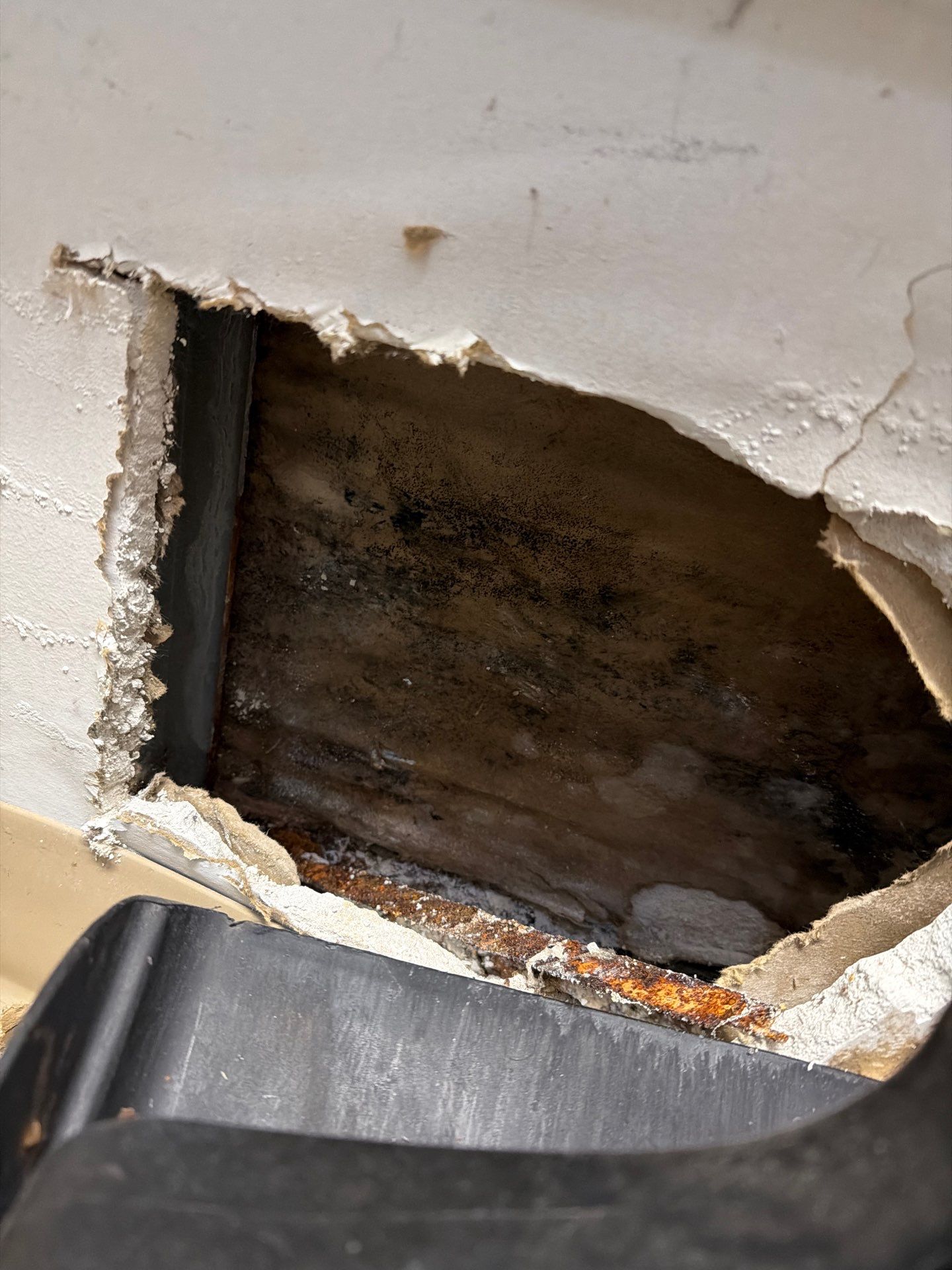
The damage compounds fast. Continuous moisture under the slab erodes the soil supporting your foundation, which can cause settling, cracked footings, and uneven floors. Inside the home, mold typically appears within 48 to 72 hours of sustained moisture, and Category 2 grey water conditions can develop as the water picks up minerals and contaminants from the soil. Your flooring lifts, your baseboards swell, and the repair bill that was 5,000 dollars becomes 25,000. Catching a slab leak in week one versus month three is the single biggest factor in what this costs you.
Can I keep living in the house during repairs?
In most cases, yes. We isolate the work area with containment plastic, run negative air machines to keep dust and any contaminants out of the rest of the home, and schedule concrete cutting during daytime hours so you are not living next to a saw at midnight. The plumber can usually restore water service to the rest of the house within a few hours by capping the affected line, so showers, toilets, and the kitchen keep working. The exception is when the leak is under a primary bathroom or kitchen and the whole zone has to come offline, in which case some families prefer a short hotel stay covered by their loss-of-use policy.
How does Chesterfield Water Restoration find a slab leak without destroying the floor?
We use non-invasive detection equipment to pinpoint the leak before we open anything. That typically includes electronic listening devices, which amplify the sound of water escaping the pipe, thermal imaging cameras to map temperature differences across the slab, and pressure testing to isolate which line is failing. On a typical Chesterfield home, we can narrow a slab leak to within 6 to 18 inches of its actual location in 60 to 90 minutes. That accuracy is what saves you money. The difference between cutting a 2-foot square of concrete and ripping up an entire room can be 4,000 to 8,000 dollars in restoration costs alone. We also document everything with moisture readings and photos so your insurance adjuster has what they need.
For drain line leaks, which do not hold pressure the same way supply lines do, we use a sewer camera and sometimes a tracer gas method. A small amount of non-toxic gas is introduced into the line, and a surface sensor picks up exactly where it escapes through the slab. That combination of tools is why we rarely guess and rarely cut concrete twice. Every additional core hole in your floor is another patch you have to live with, so getting the location right the first time matters as much to us as it does to you.