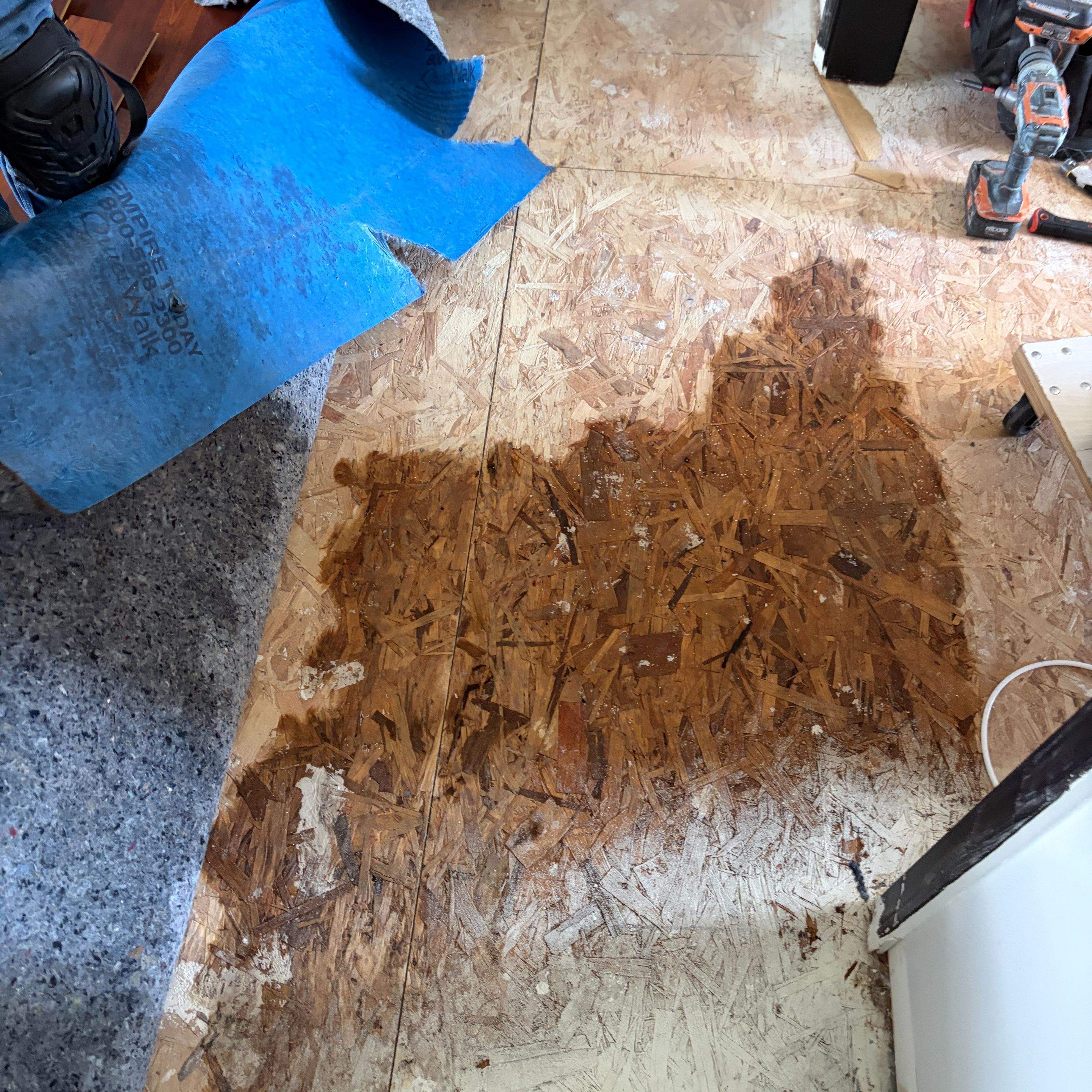
The 7-Step Flooded Basement Response
Follow these in order. Skipping ahead costs money.
- Stop the electrical risk
- Identify and shut off the water source
- Document before you touch anything
- Protect yourself with the right gear
- Move salvageable items up and out
- Start water extraction
- Call an IICRC certified restoration team
Step 1: Stop the Electrical Risk
Water and electricity in the same basement is the fastest way to turn property damage into a medical emergency.
- Do not step into standing water if outlets, the furnace, or the panel are submerged
- Kill power at the main breaker only if the panel is dry and you can reach it without standing in water
- Call your utility if the panel is wet or you cannot reach it safely
- Unplug submerged appliances only after power is off
- Keep extension cords and pumps on dedicated GFCI circuits
- Never use a metal ladder to reach a breaker panel in a wet environment
- If you have a finished basement with recessed lighting, assume those fixtures are compromised once ceiling tiles get wet
Typical Chesterfield Cost Ranges
- Minor (under 500 sq ft, clean water): $1,200 to $3,500
- Moderate (full basement, Category 2): $3,500 to $7,500
- Major (sewage, structural drying, demo): $7,500 to $15,000+
- Insurance deductible: typically $500 to $2,500 depending on policy
What Professional Response Looks Like
When Chesterfield Water Restoration arrives at a Chesterfield basement, here is the sequence.
- Moisture mapping with thermal imaging and pin meters
- Truck-mounted extraction of all standing water
- Controlled demolition only where materials cannot be saved
- Antimicrobial application on Category 2 or 3 losses
- Air movers and commercial dehumidifiers, typically 3 to 5 days
- Daily moisture readings logged for your insurance file
- Final clearance reading before equipment leaves
Step 4: Gear Up Before You Wade In
Basement water is rarely clean. Even a clean supply line picks up contamination off the floor within hours.
- Rubber boots that go above the water line
- Heavy nitrile or rubber gloves, not latex
- N95 or P100 respirator if you smell sewage or mildew
- Safety glasses to block splash
- Long sleeves and pants you can throw away
- A headlamp or waterproof flashlight if power is off
- Duct tape to seal glove and boot openings on Category 3 losses
If the water touched a floor drain, toilet line, or came in from outside, treat it as Category 3. Review the water damage categories before you decide what to keep. Wash exposed skin with soap and hot water after every trip into the affected area, and bag work clothes separately from the household laundry.
Step 3: Document Everything
Insurance adjusters pay for what you can prove. Pull out your phone before you move a single box.
- Wide shots of every wall and the water line height
- Close-ups of damaged furniture, electronics, and stored items
- Video walk-through with narration of what you see
- Photos of the source (broken pipe, failed pump, backed-up drain)
- Serial numbers and model numbers of damaged appliances
- Receipts for anything you buy during the emergency (pumps, fans, hotel)
- Time-stamped images from your phone's camera (do not edit or crop originals)
- A written inventory list with estimated replacement values
Save it all to a cloud folder labeled with the date. This single step has saved Chesterfield homeowners thousands in denied claim disputes. Email a copy to yourself so there is a server timestamp the carrier cannot dispute.
Step 5: Move What You Can Save
The 48-hour mold clock starts the moment water touches organic material.
- Lift cardboard boxes, books, and paper off the floor immediately
- Carry electronics upstairs and let them dry, do not power them on
- Pull area rugs out of the water and hang them outside if possible
- Move wood furniture to a dry level, place foil under legs to prevent staining
- Bag clothing and soft goods for laundering or professional cleaning
- Leave anything saturated and porous (mattresses, upholstered furniture) for the pros to assess
- Photograph family heirlooms and irreplaceable items before relocating them
- Freeze wet photos and important papers in a ziplock to stop deterioration until a document restorer can treat them
Insurance Filing Checklist
- Call your carrier within 24 hours, get a claim number
- Submit photos, video, and the source documentation
- Request that your restoration company bill the carrier directly
- Keep all receipts for emergency mitigation
- Do not sign repair authorizations you do not understand
- Ask whether your policy includes sewer backup or sump overflow riders
- Track every phone call with the adjuster, including date, time, and name
Step 6: Start Water Extraction
Every hour standing water sits, your repair bill grows. Drywall wicks moisture up 12 to 24 inches in the first day.
- A wet-dry shop vac handles up to about 2 inches across a small area
- A submersible pump with a garden hose is better for anything deeper
- Discharge water away from the foundation, not back into the yard slope
- Open windows only if outside humidity is lower than inside
- Run box fans and a dehumidifier once standing water is gone
- Do not run the HVAC if water reached the furnace or ductwork
- Pull baseboards and drill weep holes in drywall to release trapped water behind walls
DIY extraction works for clean Category 1 water under 100 square feet. Past that, you need truck-mounted extractors that pull 100+ gallons per minute. See what professional water extraction services actually include.
Step 2: Shut Off the Water Source
You cannot dry a basement that is still filling. Find the source fast.
- Burst pipe: shut the main water valve, usually near the water meter or where the line enters the foundation
- Failed sump pump: the pit is overflowing because the pump quit or lost power, see our sump pump failure guide
- Sewage backup: stop using all water in the home and treat it as Category 3
- Storm or groundwater: the source will not stop until the storm ends, focus on extraction
- Water heater: shut the cold water supply valve on top of the tank
- Washing machine hose: close the hot and cold valves behind the unit
- Frozen pipe burst: shut the main, then open faucets on upper floors to relieve pressure
- Foundation crack seepage: note the entry point with a marker for permanent waterproofing later
Mistakes That Cost Chesterfield Homeowners the Most
The biggest losses we see are not from the water itself. They are from decisions made in the first 6 hours.
- Waiting overnight to call for help because the water "looks like it stopped"
- Throwing items out before documenting them for the claim
- Running a dehumidifier with the windows wide open
- Powering on wet electronics to "test if they still work"
- Spraying bleach on visible mold instead of removing the substrate
- Accepting a low cash settlement before the full scope is known
- Hiring an uninsured handyman to "rip out the wet stuff"
Move fast, document everything, and bring in certified help the moment the scope exceeds a shop vac. That sequence protects your home, your health, and your claim.
Step 7: Call IICRC Certified Help
Here is when to stop and call Chesterfield Water Restoration or another certified team.
- Water covers more than 100 square feet
- Standing water is deeper than 2 inches
- Sewage or storm water is involved
- Drywall, insulation, or subfloor is saturated
- The water has been sitting more than 24 hours
- You smell anything musty or sour
- Your sump pump failed and groundwater keeps coming
- The basement contains a finished ceiling, hardwood, or engineered flooring